Mastering Images of Devon's Coastal Lighthouses
Step into windswept headlands and surf-sprayed ledges as we explore photography techniques for capturing Devon’s coastal lighthouses with clarity, drama, and respect. From Start Point to Hartland Point and Berry Head, you’ll learn practical fieldcraft, thoughtful composition, and resilient workflows. Expect vivid stories, tested settings, and safety-first advice that turn fleeting light into enduring images. Share your own lighthouse experiences, ask questions, and join a community that celebrates the coast with patience, curiosity, and craft.

Scouting Rugged Shores for Confident Access

Finding the right vantage in Devon means reading cliffs, tides, and rights-of-way before sunrise excitement takes over. Use OS maps, tide tables, and local notices, then walk the South West Coast Path to check sightlines, fence lines, and safe footing. Start Point rewards early arrivals; Hartland Point punishes complacency with Atlantic spray. Note escape routes, signal coverage, and parking closes. Leave a plan with someone, pack headlamps, and treat time buffers as lifesavers, not luxuries.

Start Point: Dawn Walks and East-Facing Drama

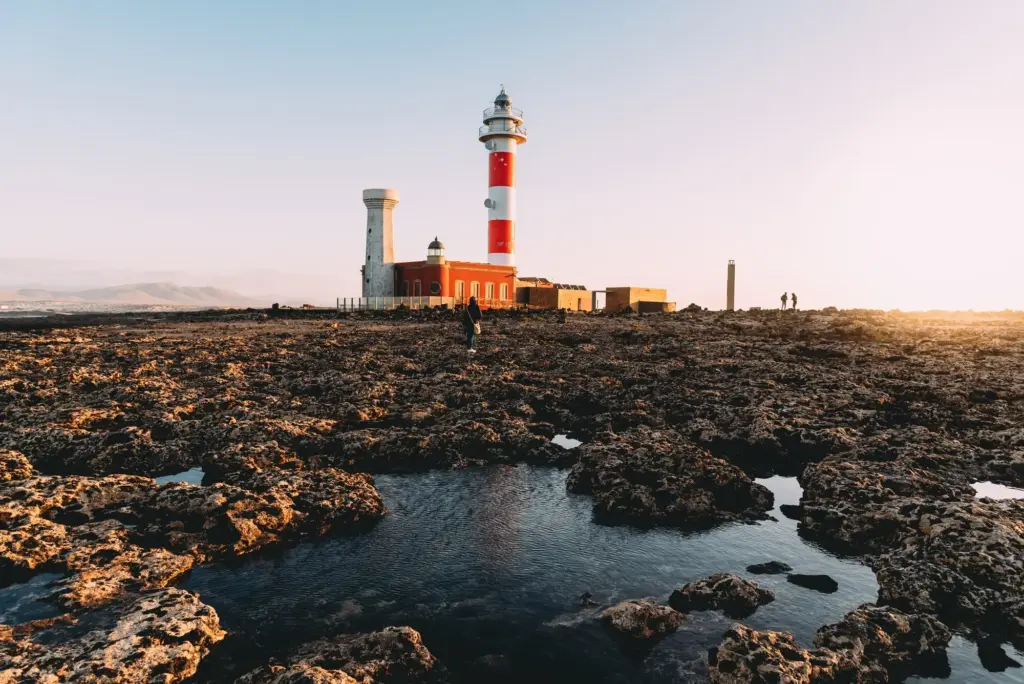
Arrive well before nautical twilight and follow the marked path toward the headland, listening for surf to judge swell size in the dark. For sunrise, favor east-facing compositions with wet rocks glistening. A 16–35mm frames foreground pools; a 70–200mm compresses reefs against the lighthouse. Beware slippery kelp, sudden sets, and unexpected gusts. If the light fails, pivot to details—rusty railings, spray patterns, and gull silhouettes—to salvage a memorable, textural study.

Hartland Point: Atlantic Energy, Measured Steps

Park at Hartland Quay and recce the path with conservative turn-back times, because ocean mood changes fast here. West and northwest aspects favor sunset explosions and post-storm clarity. Scout higher ledges for safer angles when swell booms. Telephoto isolates tower and cliffs through salt haze; wide angles need graduated ND to hold sky. Carry microfiber cloths, keep tripod legs low, and always face the water between frames. No image compensates for a surprise rogue wave.

Berry Head and Bull Point: Subtle Scale and Access Rules

Berry Head’s compact modern light demands careful scale cues; place fishermen, boats, or stratified limestone to reveal context without exaggeration. Respect seasonal nesting restrictions and stay behind barriers protecting guillemots. Bull Point, near Mortehoe, gifts layered cliff lines and glowing sunsets over broken reefs. Path etiquette matters on narrow sections; let hikers pass and mind dogs near edges. When fog rolls in, mark bearings, slow down, and prioritize safe exits over chasing a fleeting glow.

Tools That Endure Spray, Wind, and Salt
Filters That Sculpt Motion and Sky

A six-stop ND smooths broken waves without erasing character; a ten-stop turns chaos into silk when wind cooperates. Soft-edge three-stop grads tame bright horizons above reflective seas. A circular polarizer deepens tidal pools and tames glare, but rotate gently to avoid uneven skies. Stack thoughtfully to prevent vignetting, and keep a cleaning routine when spray coats glass every minute. When rain needles sideways, consider bracketing exposures rather than forcing a soaked filter solution.

Tripod Discipline in Relentless Gusts

Extend thicker leg sections first, splay the stance wide, and hang weight low without creating a swinging pendulum. Use spikes on turf and rocks, rubber feet on smooth slabs. Disable stabilization on locked-down shots, enable electronic shutter, and engage a two-second timer. Shield the rig with your body between gusts. Wipe salt often, check clamps, and re-level the horizon after each rogue push. Practice setups at home so muscle memory outpaces weather tantrums.

Lens Choices and Reliable Focus Strategy

Pair an ultra-wide for storytelling foregrounds with a telephoto to compress cliffs, beams, and shipping lanes into graphic shapes. Pre-focus using magnified live view, then lock or use back-button focus for consistency. When depth demands exceed optics, focus-stack methodically from near textures to infinity, noting frame order. For moving surf, prioritize a single plane and accept gentle falloff. Always check corners at f/8–f/11, and keep a microfiber ready for constant spray freckles.

Light, Tide, and Time Working in Concert

Lighthouses reward patience with cyclical gifts: golden hour warmth, blue hour mystery, moonlit shimmer, and low-tide mirrors. Use PhotoPills or similar tools to predict sun paths, beam alignment, and Milky Way windows. Cross-check Admiralty tide data and swell forecasts to avoid trapped exits. Start Point leans toward sunrise brilliance; Hartland and Bull Point welcome fiery sunsets. Plan generous transitions between locations, because Devon’s lanes, car parks, and footpaths can stretch minutes into risky delays.

Sunrise and Sunset by Orientation and Season

Study maps to understand each lantern’s seaward face. East and southeast exposures around Start Bay sing at sunrise from spring through autumn, while Hartland’s westerly cliffs peak at late-season sunsets when Atlantic air clears. Berry Head works at blue hour with harbor glow from Brixham adding punctuation. Keep seasonal sun altitude in mind for shadow length. If haze steals color, wait for post-sunset pastel gradients that flatter white towers without crushing detail or mood.

Blue Hour Beams, Stars, and Ethical Night Work

As twilight deepens, experiment with shutter durations that render beam arcs without blowing highlights. Shield nearby residents by avoiding intrusive artificial light and respecting quiet hours around paths. In very dark conditions, attempt star trails or Milky Way backdrops downwind of spray. Use an intervalometer, manual focus at infinity, and low ISO stacking to protect detail. Step carefully, keep companions visible, and let safety dictate how long the night session truly lasts.

Tidal Choreography for Reflections and Power

At low tide, hunt for polished rock pools that mirror lantern glow; at mid tide, capture texture-rich surges wrapping promontories; at higher tides, elevate to safer terraces to keep feet dry and horizons clean. Note spring-versus-neap range changes, slippery weed lines, and swell direction. If reflections wobble, shorten shutter speeds or wait for lulls between sets. Build patience into the plan, logging successful timings to refine future returns with confidence and purpose.

Foreground Textures That Anchor Place

Scour for barnacled boulders, ripple-marked sand, and glistening weed that translate salt, sound, and smell into visual weight. Kneel low to exaggerate patterns, then pivot slightly to remove mergers with the tower. Hyperfocal focusing at f/8–f/11 balances depth against diffraction. Bring a small towel for knees and a cloth for the lens. If footprints intrude, wait for a polished wave to reset the canvas, then trip the shutter as foam breathes out.

Lines, Curves, and Purposeful Punctuation

Treat the lighthouse as punctuation—comma, exclamation, or quiet ellipsis—within a sentence of cliffs, footpaths, and sky. Let fence posts rhythmically march toward the light, or use a curving bay as an embracing arm. Explore layered elevations that step toward the horizon. Tilt too far and dignity slips; re-level frequently. Break the frame with a passing gull only when rhythm benefits. Think verbs, not nouns: guiding, warning, welcoming, enduring, shining through weather and watchful tides.

Minimalism with Fog, Rain, and Negative Space

When fog smothers contrast, celebrate simplicity. Expose gently to retain the lantern and faint cliff edge, giving sky and sea room to breathe. Remove clutter at capture, not later, by shifting stance and lens height. Wind-driven rain encourages vertical compositions that elongate spray trails. Convert to black and white if muted color distracts. A single horn blast, unrecorded yet felt, can guide viewers’ imagination through soft gradients and a calmly assertive beam.

Weather Wisdom and Uncompromising Safety
Riding the Edge of Storm Light
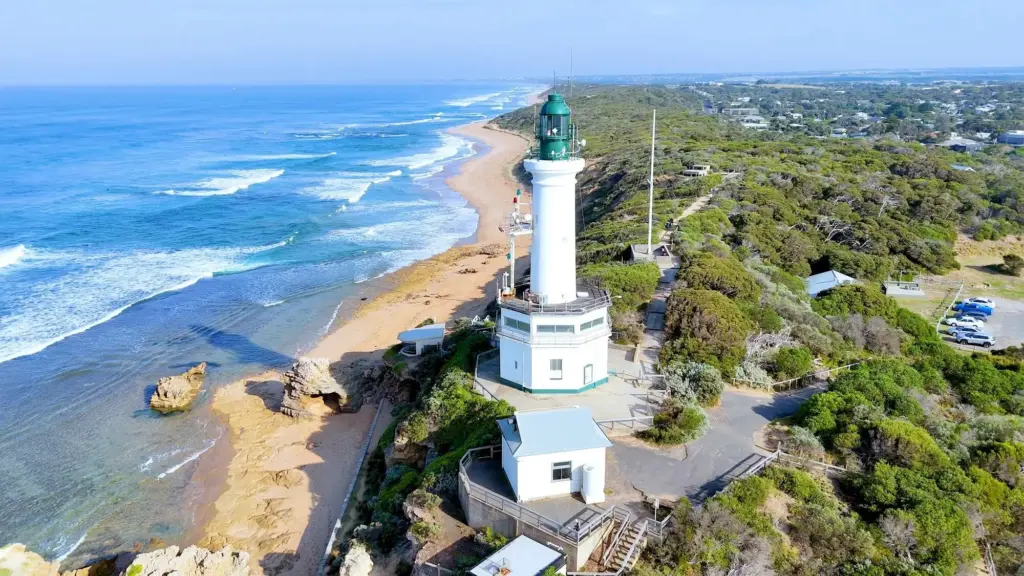
Photograph squall edges, not their violent hearts. The five minutes before and after rain deliver sculpted clouds, sharpened air, and saturated color along Hartland’s cliffs. Shelter the lens behind your body, clean frequently, and accept imperfect frames that carry weather truth. When thunder threatens, retreat without debate. Safety-first decisions sustain creativity across seasons, letting you return to the same headlands with deeper understanding rather than a collection of close calls and worrying stories.

Sea State Awareness and Sure Footing

Count wave sets, note longer-period swells, and give extra margin on spring tides. Test each step on algae-darkened rock; if it gleams, avoid it. Keep the tripod low and the center column unused to resist gusts. Face the sea between adjustments, leash your lens cap, and stow straps. If spray overwhelms, climb higher for perspective. The ocean rewards respect with opportunities, not entitlement, turning patience into unexpected breaks of sunlight and dancing foam.

Wildlife, Neighbors, and Coastal Courtesy

Berry Head’s colonies and Lundy’s seals deserve space, quiet, and clean paths. Heed seasonal closures, dim headlamps around burrows, and never bait birds into flight. Thank locals who share access tips, yield narrow trail sections kindly, and keep drones grounded where prohibited. A respectful presence opens doors and conversations, sometimes leading to stories from keepers or fishermen. Those moments enrich photographs with context and gratitude, which viewers feel even without reading a single caption.

Editing That Honors Salt, Stone, and Light

A Dependable Field-to-Archive Workflow

Back up cards immediately, adding simple, searchable filenames and location keywords like Start Point, Hartland Point, or Berry Head. Ingest with lens profiles applied, then cull for story coherence, not just single-image charisma. Build a collection for each outing with notes on tides, wind, and access. Sync base adjustments, review at multiple sizes, and export variants for print, web, and social. Document lessons learned so your next coastal session begins already wiser.

Guiding the Eye with Local Touches

Use linear and radial masks to tease out leading lines in reefs, lift the lantern subtly, and quiet distractions along cliff tops. Dodge foam trails to suggest motion, burn bright sky shoulders, and nudge color toward honest slate blues and warmed granite. Watch for halos and chromatic edges around railings. Add just enough clarity to taste salt without sandblasting detail. When finished, step away, then return fresh to confirm restraint still holds.

Monochrome Strength for Weathered Grandeur

Black and white turns Hartland’s buttresses and Bull Point’s terraces into sculptural masses. Push midtone contrast, guard highlights, and shape a soft toe for mist. Consider split-toning for a silvered sea and slightly warmed stone. Embrace grain like sea spray, not noise. Let negative space speak loudly around the beacon, ensuring the photograph breathes. Invite comments on processing choices, and share printing papers that flatter maritime texture without crushing nuanced, weather-carved detail.
Tavomorilaxilumatora
Privacy Overview

This website uses cookies so that we can provide you with the best user experience possible. Cookie information is stored in your browser and performs functions such as recognising you when you return to our website and helping our team to understand which sections of the website you find most interesting and useful.