Where Beacons Meet Blooming Cliffs

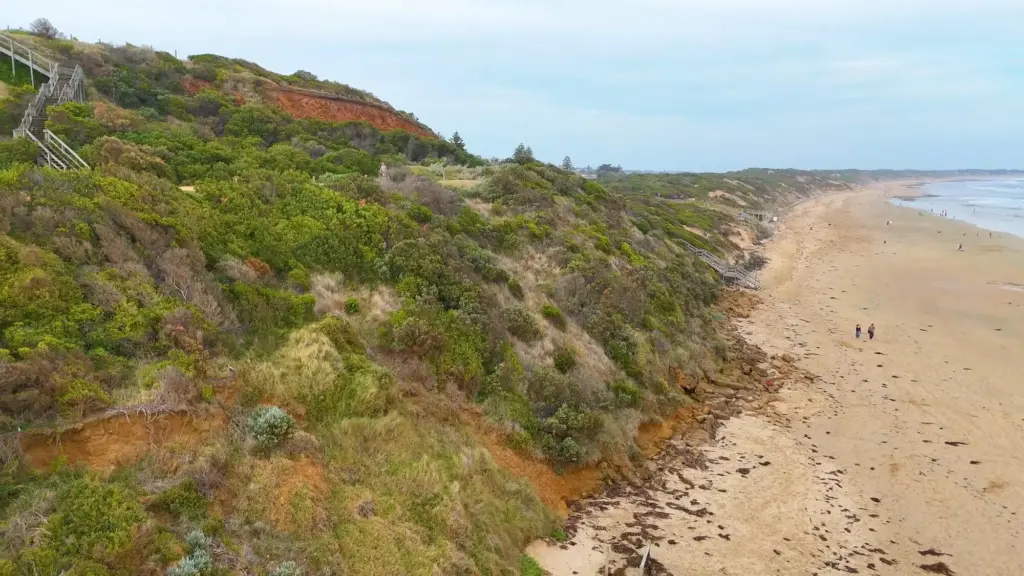
Join a windswept journey along Devon’s clifftop lighthouse trails, discovering wildlife and wildflowers woven into rock, spray, and light. We’ll explore puffins, peregrines, thrift, and sea campion, listen for hidden wings in the updraft, and notice how lanterns guide not only ships but also our footsteps through a living, blooming coastline filled with fragile beauty, resilient stories, and unforgettable encounters.

Reading the Living Map of Sea-Edge Habitats

Beneath each lighthouse stands a layered atlas of habitats shaped by wind, salt, and time. Maritime grasslands, gorse thickets, heath, and exposed ledges overlap in textured ribbons, creating niches where hardy blooms anchor thin soils and seabirds carve air with effortless certainty. Learning these patterns turns a walk into attentive exploration, revealing why certain flowers cluster near spray lines while raptors patrol loftier thermal corridors.

Maritime Grasslands: A Patchwork Above the Surf

Short turf clenched by salt and wind protects botanical treasures, from pink cushions of thrift to discreet rosettes hugging fissures for shelter. Each step requires care, because tiny orchids, creeping thyme, and sheep’s-bit flourish only when trampling stays light, dogs remain leashed, and boots avoid delicate hummocks. Pause low to the ground and you’ll see pollinators threading shining paths between grains of quartz and mica.

Gorse, Heather, and the Language of Edges

Spiny gorse shelters wrens while heather supports native bees, together buffering harsher gusts that would strip blossoms from cliff lines. These shrubs articulate the border between open wind and calmer understory, revealing microclimates within mere steps. When sunlight warms their resins, you’ll smell coconut and peat, a quiet reminder that fragrance, like color, maps the coast’s secret refuges for insects, reptiles, and ground-nesting birds.

Salt Spray, Thin Soils, and Plant Tenacity

Salt-laden mists dehydrate leaves, yet certain coastal plants answer with fleshy tissues, tight rosettes, and silver hairs that reflect punishing light. Roots probe fractures, welding life to stone where soil is powdered shell and dust. Understanding these survival scripts deepens respect for every bloom you photograph, and persuades a slower pace, softer footsteps, and a willingness to celebrate modest flowers that endure where trees surrender.

Winged Company Around the Lantern

Clifftop beacons overlook aerial highways used long before foghorns moaned across headlands. Kittiwakes, fulmars, and razorbills stitch white arcs into salt air, while peregrines test the cliff’s updrafts with gravity-defying stoops. At dusk, distant shearwaters murmur beyond the horizon, reminding walkers that navigation by stars began in feathers. Watch patiently, and every skimming silhouette becomes a story of stamina, strategy, and seasonal return.

Fulmars and Kittiwakes: Masters of the Lift
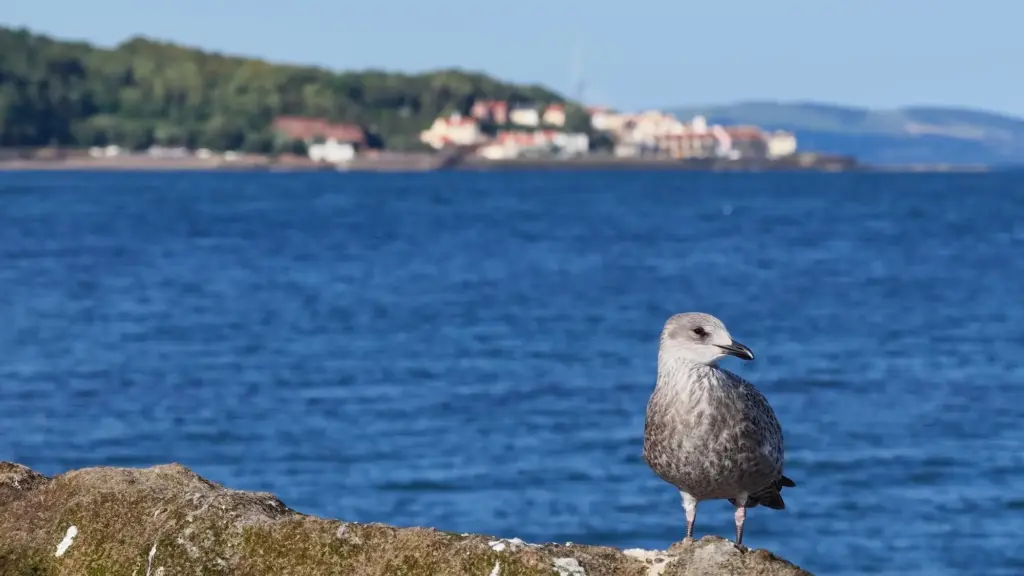
Riding invisible railways, fulmars hold rigid wings and tilt fractions of a degree to harvest energy from the wind, while kittiwakes loop between ledges, ferrying food to precarious nurseries. Listen for buoyant chatter braided with surf. Respect roped-off nesting zones, use binoculars instead of stepping closer, and you’ll witness parental exchanges that transform stark geology into a cliffside village humming with purpose and precision.

The Peregrine’s Stooping Geometry

From a lighthouse parapet or a nearby crag, watch for a compact arrow slicing the sky. The peregrine’s dive compresses time, folding height into speed with pure, breathtaking economy. Your best view comes at distance, where ethics meet awe: let binoculars do the approaching. Trace the spiral back to its perch, noticing how the bird reads each gust like a seasoned mariner reading currents and shoals.

Dusk Voices Over Open Water

As light recedes, the sea keeps speaking through wings. Far beyond view, shearwaters and petrels thread migratory lines linking summer cliffs to winter oceans, guided by moonlit glints and ancient instincts. On calm evenings, you may hear faint calls braided with swell, a reminder that the coastline is never truly quiet. Share recordings responsibly, geotags removed, protecting fragile colonies from crowds drawn by whispered magic.

Sea Thrift: Pink Pillows on Precarious Ledges
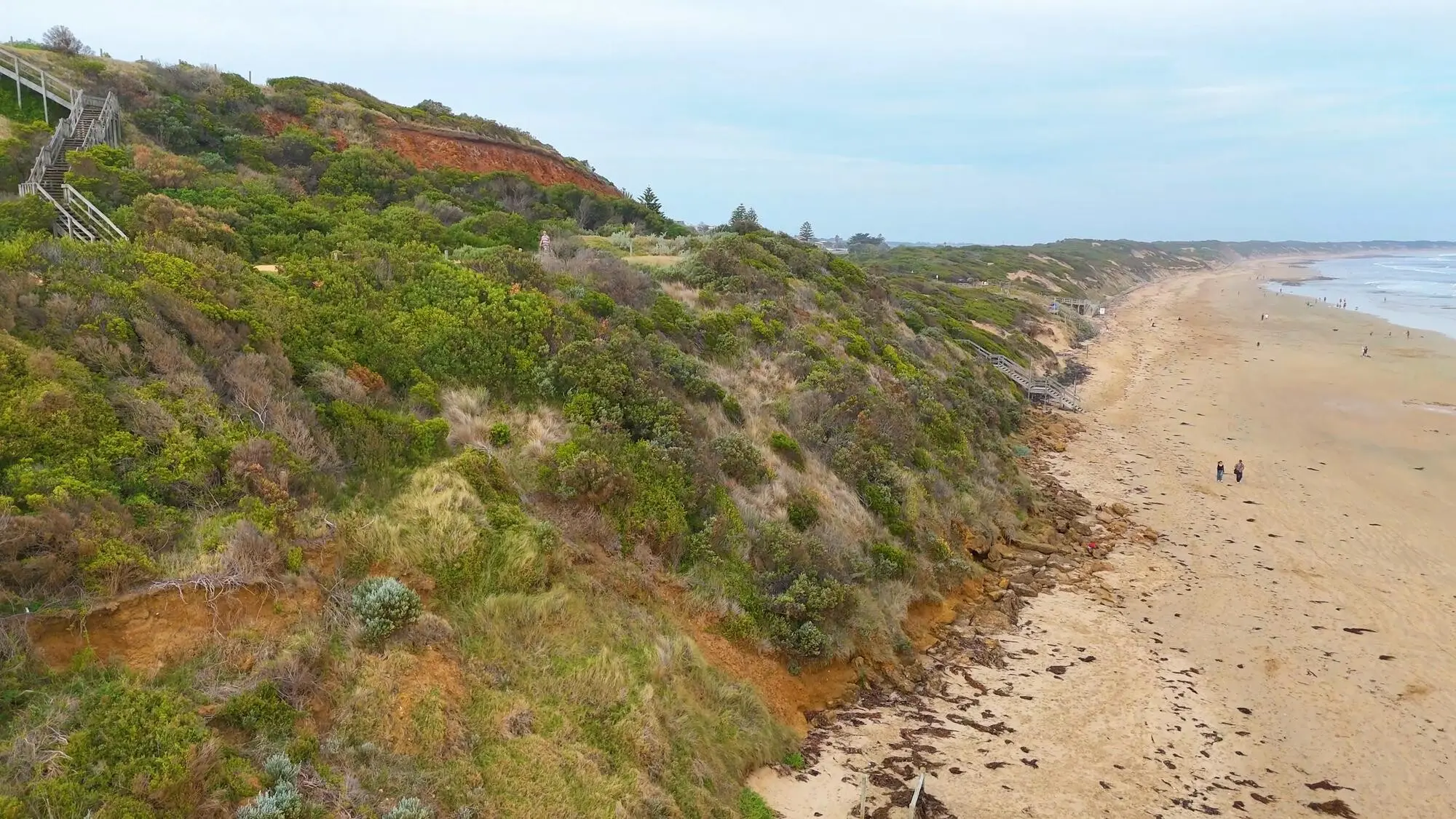
Thrift clusters anchor the cliff’s very punctuation marks, cushioning edges where soil thins to crumbs. Look for bees weaving tiny circuits across domed florets, and feel wind cool faster near exposed crowns. Photograph from the path, never stepping onto brittle mats. Their patient geometry, season after season, stitches pink resilience into bleak rock, teaching that tenderness and tenacity can share the same windswept address.

Sea Campion and the Light Inside Petals

White bladders sway like paper lanterns, sheltering stamens from brine and gusts. At sunrise, petals catch gold and scatter it into countless subtle reflections across pebbled margins. Kneel without crushing neighboring seedlings, brace your lens, and let background surf soften into luminous bokeh. Campion thrives by timing and thrift, blooming when pollinators ride warm pockets between squalls, proving rhythm matters as much as strength.

Seasons Turning Beneath the Beacon

From spring’s sudden blush to winter’s sculpted quiet, the cliffline rewrites itself with color, sound, and scent. Migrants thread north while thrift punctuates the rim; summer stacks shimmer with wings and song; autumn shades gorse from lemon to bronze; and winter clarifies shape, revealing geology’s bones. Walk often, lightly, and you’ll learn returning paths are never repeated, only rhymed in salt and light.

Staying on the Path, Protecting What Grows

A single detour across thin turf can shear roots and invite erosion down a drainage seam. Signed routes exist for beauty and safety, guiding you to the best views without crushing fragile communities. If companions wander, explain kindly, modeling careful steps and celebratory pauses. Consider the ripple effect: one respectful footprint preserves a hundred petals and a thousand unseen invertebrates quietly holding the cliff together.

Weather Windows and Tide Awareness

Coastal forecasts change swiftly, and cliff acoustics can disguise approaching squalls. Pack layers, a charged phone, and room for patience. When fog thickens around a lighthouse, slow your pace and relish muffled waves while giving edges a generous margin. Low tides uncover rockpool life, but always trace a safe return route before exploring. Wise timing transforms risk into wonder as horizon, cloud, and path cooperate.

Leave No Trace, Including Tiny Stowaways

Beyond litter, seeds and pathogens ride soles and socks. Brush boots before and after your walk, and rinse gaiters at home to shield neighboring sites. Skip picking flowers; better photographs last longer and teach more. Quiet voices around nesting ledges reduce stress for parents already balancing storms and hunger. Every small courtesy compounds, protecting the delicate arithmetic that makes cliffs bloom and wings return annually.

Light, Lens, and the Dance of Wind

Photographing high above surf asks for patience, timing, and humility before weather. Golden hours gild thrift, side-light textures gorse, and backlit spray draws halos around birds. Stabilize with a low stance, embrace higher ISOs, and protect horizons from tilt. Storytelling beats volume: capture habitat context alongside portraits. Always prioritize welfare, letting the scene dictate distance and rhythm, so beauty remains unbothered and generous.

Golden Hour Tactics for Clifftop Color

Arrive early, scout compositions, and note where the sun threads between headlands. Warm light turns thrift luminous and adds depth to layered seas. Underexpose slightly to preserve highlights in foam, then recover shadows for petal detail. Keep feet planted on firm paths and let telephoto reach across gaps. Patience rewards you with honest colors singing against slate, lichen, and shining water quietly breathing below.

Macro in the Wind: Crafting Stillness

Coastal breezes rarely rest, so create your own shelter. Kneel behind gorse, use your backpack as a windbreak, and time shots between gusts by watching grass tips. A small diffuser softens harsh sun while a higher shutter speed freezes petal tremors. Breathe out slowly as you press, honoring the plant’s vulnerability by never stepping onto cushions or fragile crusts supporting a world you cannot replace.

Guiding Lights: People, Records, and Shared Care

Lighthouses keep more than ships safe; they convene communities of walkers, birders, botanists, and storytellers. Old logbooks recall remarkable passages—stormbound nights, unexpected visitors—reminding us each observation matters. Add your notes to citizen science platforms, support local conservation, and trade tips in the comments. Together we safeguard cliff paths where petals, wings, and lantern beams thread a shining lineage of attentive, generous attention.

A Keeper’s Entry Echoing Across Years

In a faded journal, a lighthouse keeper once recorded fulmars circling tirelessly during a relentless gale, then settling when dawn’s pale ribbon returned. Re-reading such lines beside modern rails connects generations across salt-stained margins. Share your own respectful sightings below, noting dates, weather, and distance. Clear details, kind tone, and privacy for nests transform anecdotes into guidance, strengthening today’s watchers with yesterday’s careful, steady witness.

Your Notes Can Power Conservation

Upload flower timings, butterfly encounters, or seabird counts to local record centers, iRecord, or eBird equivalents. Choose broad locations to protect sensitive spots, and include photos for verification. Each submission refines habitat models, influences path maintenance, and focuses restoration funding where it matters most. Simple habits—consistent logging, honest uncertainty, and respectful distances—turn quiet walks into meaningful stewardship written in data and lived by communities.
Tavomorilaxilumatora
Privacy Overview

This website uses cookies so that we can provide you with the best user experience possible. Cookie information is stored in your browser and performs functions such as recognising you when you return to our website and helping our team to understand which sections of the website you find most interesting and useful.